The Cheapest Cars to Insure for a Teenager in Texas
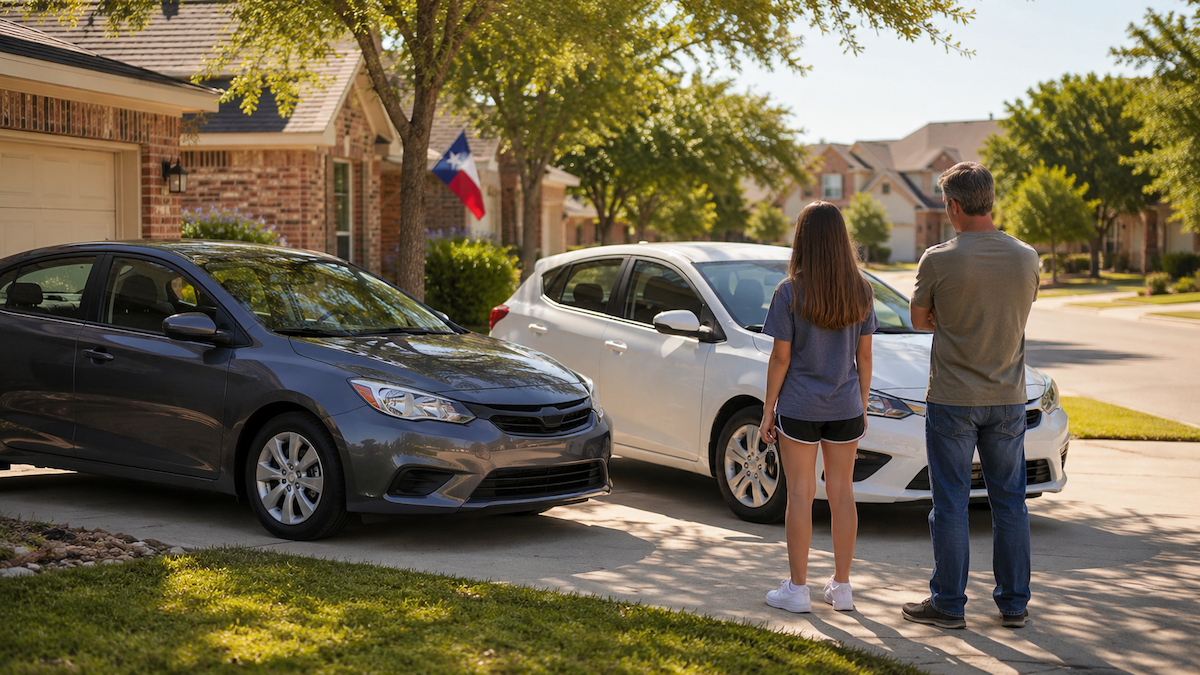
When a Texas family is shopping for a vehicle for a teenage driver, price is usually the primary consideration. Purchase price, fuel cost, maintenance cost — the financial picture of adding a teen driver involves a lot of numbers.
One number that frequently gets underweighted is the insurance cost. The vehicle a teen drives affects the family's auto insurance premium significantly — sometimes more than parents expect.
A vehicle that saves $5,000 at purchase can easily cost $2,000 more per year to insure, erasing the savings within a few years.
Here's how to think about the insurance cost before buying.
What Makes a Vehicle Expensive to Insure for a Teen
Several vehicle characteristics drive insurance cost — and they interact with the teen driver risk factor in specific ways.
Vehicle value. Higher-value vehicles cost more to repair or replace after an accident. Collision and comprehensive premiums are directly tied to the vehicle's value. A $35,000 SUV generates significantly higher collision premiums than a $12,000 used sedan — and with a teen driver's elevated accident risk, collision coverage matters.
Repair cost. Some vehicles are disproportionately expensive to repair relative to their purchase price. Vehicles with complex electronics, specialized parts, or limited repair networks cost more per claim. Some European brands and certain newer models with advanced safety systems fall into this category.
Performance characteristics. High-horsepower vehicles, sports cars, and performance-oriented models are rated higher by insurers because they're statistically more likely to be driven aggressively. A teen in a sports car is a specific risk profile that most insurers price accordingly.
Safety ratings. Vehicles with poor crash test ratings and limited safety features generate higher bodily injury and medical payments claims. Insurers price this into premiums.
Theft rates. Some vehicles are stolen more frequently than others. Comprehensive premiums reflect theft risk in addition to weather and other non-collision events.
What Makes a Vehicle Inexpensive to Insure for a Teen
The characteristics that reduce insurance cost are essentially the inverse of what raises it.
Moderate value. A vehicle in the $10,000 to $18,000 range — enough to be reliable and safe without being expensive to repair or replace — sits in the most insurance-friendly zone for teen drivers. The collision and comprehensive premiums are manageable, and total loss payouts don't generate large claims.
Strong safety ratings. Vehicles with high IIHS (Insurance Institute for Highway Safety) or NHTSA safety ratings generate fewer and less severe injury claims. Many insurers offer discounts specifically for vehicles with strong safety ratings or advanced safety features.
Older model years with standard equipment. A five to eight year old vehicle with standard features rather than advanced electronics is typically the most cost-effective to insure. Old enough that the value is lower. New enough that safety features are present. Not so new that specialized parts drive repair costs up.
Low theft rates. Some vehicle models are rarely stolen. A sedan with a modest theft profile generates lower comprehensive premiums than a truck or SUV on the most-stolen lists.
Vehicle Types That Tend to Insure Favorably for Teens
Without recommending specific makes and models — which change as vehicle prices, parts costs, and insurer rating models evolve — certain vehicle categories tend to produce more favorable insurance costs for teen drivers.
Reliable used sedans in the $12,000 to $18,000 range. The sweet spot for teen insurance economics. Low enough value that collision premiums are manageable. New enough to have meaningful safety features. Practical enough that the teen isn't driving something that encourages risk-taking.
Older small SUVs with good safety ratings. The combination of good crash ratings, moderate value, and the all-weather capability that Texas weather sometimes demands makes certain small SUVs a reasonable choice. The key is ensuring the model year is old enough that the vehicle's value has depreciated to a manageable insurance range.
Vehicles with standard rather than performance trims. The base or mid-level trim of a model typically insures more favorably than the performance or sport trim of the same vehicle. The engine size, horsepower rating, and optional performance equipment all affect insurance cost.
Vehicle Types That Tend to Insure Expensively for Teens
New or late-model vehicles. The depreciation curve means a new vehicle loses significant value in the first two to three years — but insurance premiums reflect the full replacement cost during that period. A new $32,000 vehicle costs significantly more to insure than a three-year-old model of the same vehicle worth $22,000.
Trucks. Pickup trucks are among the most stolen vehicles in Texas and generate higher comprehensive premiums as a result. They're also typically more expensive to repair after accidents. For a teen driver, the insurance economics of a truck are generally less favorable than a sedan or small SUV of similar age.
Sports cars and performance vehicles. The risk profile of a teen driver in a performance vehicle produces premiums that often surprise families. A used sports car that seems affordable at purchase can generate annual insurance costs that significantly exceed its value.
High-end European brands. Specialized parts, dealer-only repair networks, and higher labor costs make certain European brands significantly more expensive to repair — which flows directly into collision premiums.
Get the Insurance Quote Before You Buy
The most practical piece of advice for families shopping for a teen's vehicle: get an insurance quote for each vehicle you're seriously considering before committing to the purchase.
Call your agent or request a quote for the specific year, make, model, and trim of the vehicle. The difference between two vehicles that seem similarly priced can be $600 to $1,500 per year in insurance cost — information that should factor into the purchase decision.
This takes fifteen minutes and changes the total cost calculation in ways that make the right vehicle choice clearer.
For educational purposes only. Consult a licensed Texas insurance agent for guidance specific to your situation.
Find out exactly what you're missing.
The free 4-minute checkup identifies your gaps and matches you with a local independent advisor.
Free Coverage Review →