What to Do If Your Car Is Totaled in Texas
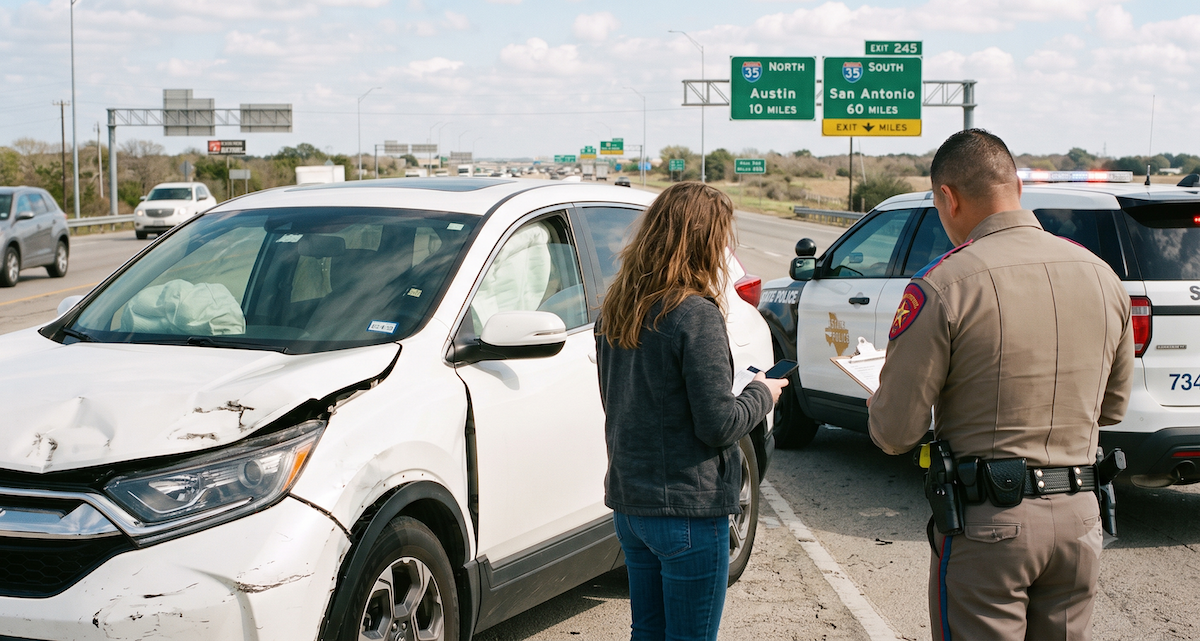
Having your car declared a total loss is one of the more disorienting moments in an insurance claim. One minute you're dealing with an accident or a theft, the next you're being told your vehicle is gone and an adjuster is offering you a settlement number you have no idea how to evaluate.
Most Texas drivers have never been through this process before. Here's exactly what happens — and what you can do to protect yourself.
What Total Loss Actually Means
An insurer declares a vehicle a total loss when the cost to repair it exceeds a threshold percentage of the vehicle's actual cash value. In Texas, insurers typically apply a total loss threshold of 100% — meaning if repair costs equal or exceed the vehicle's market value, it's declared a total loss.
Some insurers apply a lower threshold — 75% or 80% — meaning a vehicle can be totaled even when repairs would theoretically be possible. The specific threshold varies by carrier and is disclosed in your policy.
When a vehicle is declared a total loss, your insurer pays you the actual cash value of the vehicle at the time of the loss — not what you paid for it, not what you owe on it, and not what it would cost to replace it with a comparable new vehicle.
How Actual Cash Value Is Calculated
Actual cash value is the market value of your vehicle immediately before the loss — what a willing buyer would pay a willing seller for that specific vehicle in that specific condition.
Insurers calculate ACV using a combination of sources: third-party valuation tools like CCC One or Mitchell, comparable vehicle listings in your local market, the vehicle's mileage, condition, and optional equipment, and any prior damage or modifications.
The number they arrive at is their starting position — not necessarily the final settlement. You
have the right to negotiate.
How to Evaluate the Settlement Offer
Before accepting any settlement, do your own research.
Search for comparable vehicles — same year, make, model, trim, mileage range, and condition — currently listed for sale in your Texas market. Use Carmax, AutoTrader, Cars.com, and local dealer listings. If comparable vehicles are consistently listed above the settlement offer, you have specific evidence to support a higher valuation.
Document your vehicle's condition and any upgrades that increase value — new tires, recent maintenance, upgraded audio or safety systems. Some of these may not be reflected in the insurer's valuation and can support a higher settlement.
If you disagree with the valuation, tell your insurer specifically why. A written counter-offer with documentation of comparable listings is more effective than a general complaint about the number being too low. Most insurers will reconsider with supporting evidence.
What Happens if You Have a Loan
If you financed your vehicle, the total loss settlement gets complicated by the loan balance.
Your insurer pays the settlement directly to your lender first. If the settlement exceeds your loan balance, you receive the difference. If the loan balance exceeds the settlement — which is common in the first two to three years of a loan — you owe the remaining balance to your lender on a vehicle you no longer have.
This is exactly the scenario gap coverage addresses. If you have gap coverage, your insurer pays the difference between the settlement and the loan balance. If you don't, that gap is your personal obligation.
If you're in this situation without gap coverage, contact your lender immediately. Some lenders offer hardship provisions or modified payment terms for total loss situations. It's worth asking before assuming the full balance is immediately due.
What Happens to the Vehicle
When a vehicle is declared a total loss and you accept the settlement, the insurer takes ownership of the vehicle. They sell it to a salvage yard or auction, and the proceeds partially offset what they paid you.
In Texas, you have the option to keep the totaled vehicle by accepting a reduced settlement — the ACV minus the salvage value. The vehicle then receives a salvage title. A vehicle with a salvage title can be repaired and retitled as a rebuilt vehicle, but it carries permanent implications for resale value and insurability. Some carriers will not insure vehicles with salvage titles.
Keeping a totaled vehicle makes sense in narrow circumstances — if the vehicle has sentimental value, if the damage is primarily cosmetic, or if you have the ability to repair it significantly below what an insurer would pay. For most drivers, accepting the full settlement and letting the insurer take the vehicle is the cleaner outcome.
The Rental Car Question
If your policy includes rental reimbursement coverage, it typically remains active while the total loss claim is being processed — not indefinitely. Most policies limit rental coverage to a specific number of days or until the settlement is paid.
Know your rental coverage limit before the process starts. If the settlement takes longer than expected and your rental coverage runs out, the additional cost is yours. Staying engaged with your adjuster and understanding the timeline helps avoid that surprise.
A Final Thought
A total loss settlement is negotiable more often than most drivers realize. The first offer is a starting point, not a final number. Doing your own research, presenting specific comparable listings, and documenting your vehicle's condition gives you a genuine basis for negotiating a better outcome.
The process is stressful enough without accepting less than you're entitled to because the number arrived in an official-looking document.
For educational purposes only. Consult a licensed Texas insurance agent for guidance specific to your situation.
Find out exactly what you're missing.
The free 4-minute checkup identifies your gaps and matches you with a local independent advisor.
Free Coverage Review →