Rideshare Insurance: What Uber and Lyft Drivers Need to Know

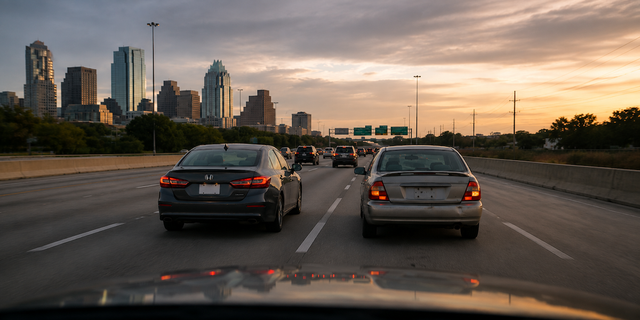
Millions of people drive for Uber, Lyft, and other rideshare platforms as a primary income source or a side hustle. Most of them assume they’re covered by some combination of their personal auto insurance and the rideshare company’s policy.
The reality is more complicated — and the gaps in that coverage are exactly where drivers get hurt financially when something goes wrong.
Here’s a clear explanation of how rideshare insurance actually works, what the platforms provide, what your personal policy covers, and what you need to do to stay properly protected.
The Core Problem: A Coverage Gap That Surprises Most Drivers
Your personal auto insurance policy was written for personal use. When you’re driving for a rideshare platform — even just waiting for a ride request — most personal auto policies consider that commercial use and exclude it from coverage.
At the same time, the rideshare platform’s insurance doesn’t cover everything. It kicks in at specific points and drops out at others.
The result is a period during rideshare driving — sometimes called the coverage gap — where neither your personal policy nor the platform’s policy provides adequate protection. Understanding where that gap is and how to close it is the most important thing a rideshare driver can know about insurance.
How Rideshare Driving Is Divided Into Periods
The rideshare industry divides driving activity into distinct periods that determine which insurance applies. Understanding these periods is the foundation of understanding rideshare coverage.
Period 0: App is off.
When you’re not logged into the rideshare app, you’re driving purely for personal purposes. Your personal auto insurance applies fully. The rideshare platform has no involvement and no coverage applies.
Period 1: App is on, waiting for a ride request.
You’re logged into the app and available, but you haven’t accepted a ride yet. This is the coverage gap that most drivers don’t know about.
Your personal auto insurance typically excludes this period because you’re using the vehicle for commercial purposes. The rideshare platform provides some coverage during this period — but significantly less than during active rides. Uber and Lyft typically provide liability coverage during Period 1, but at reduced limits, and they typically provide no collision or comprehensive coverage unless you have it on your personal policy.
Period 2: Ride accepted, en route to pick up the passenger.
You’ve accepted a ride request and are driving to pick up the passenger. The platform’s full commercial coverage is typically active during this period — liability, uninsured motorist, and contingent collision and comprehensive coverage.
Period 3: Passenger in the vehicle.
From the moment the passenger enters the vehicle until they exit, the platform’s full commercial coverage applies. This is typically where platforms provide their highest coverage limits — $1 million in liability coverage or more.
What Uber and Lyft Actually Provide
Both major rideshare platforms provide insurance coverage, but the specifics vary by period and by state. Here’s a general picture of what they typically offer.
During Period 1 (app on, no ride accepted):
Both Uber and Lyft typically provide third-party liability coverage at limits that meet or exceed state minimums — commonly $50,000 per person for bodily injury, $100,000 per accident, and $25,000 for property damage. However, they generally do not provide collision or comprehensive coverage during this period. If you cause an accident while waiting for a ride request, the platform’s liability coverage pays for damage to others — but damage to your own vehicle is not covered unless your personal policy covers it.
During Periods 2 and 3 (ride accepted through ride completion):
Both platforms typically provide up to $1 million in third-party liability coverage. They also provide uninsured and underinsured motorist coverage. And they provide contingent collision and comprehensive coverage — meaning collision and comprehensive coverage for your vehicle is available, but subject to a deductible (commonly $1,000 to $2,500 depending on the platform) and only if you have collision and comprehensive on your personal policy as well.
The contingent nature of the collision and comprehensive coverage during Periods 2 and 3 is important. If you don’t carry collision and comprehensive on your personal policy, the platform’s contingent coverage doesn’t apply to your vehicle — only to third-party liability.
What Your Personal Auto Policy Typically Does Not Cover
This is where most rideshare drivers are surprised.
Standard personal auto insurance policies are written for personal use. When you’re driving for compensation — including when you’re logged into a rideshare app waiting for a request — most personal policies invoke a commercial use exclusion that removes coverage.
If you’re involved in an accident during Period 1 and you haven’t disclosed your rideshare activity to your insurer or purchased appropriate coverage, your personal insurer may deny the claim entirely on the grounds that you were engaged in commercial activity.
This isn’t a hypothetical risk. Insurers have denied claims in exactly this scenario, leaving drivers personally responsible for damage to their own vehicle, their own medical expenses, and potentially their own liability to others if the platform’s Period 1 coverage is insufficient.
The Solution: Rideshare Insurance Endorsements and Policies
The insurance industry has responded to the rideshare coverage gap with specific products designed for rideshare drivers.
Rideshare endorsement on a personal policy.
Many major insurers now offer a rideshare endorsement — an add-on to your existing personal auto policy that extends your personal coverage to include Period 1 activity. This endorsement fills the gap between your personal policy and the platform’s coverage, ensuring continuous protection across all periods.
The cost of a rideshare endorsement varies by insurer, state, and your driving profile — but typically runs $10 to $40 per month added to your existing premium. Given the exposure it addresses, it’s one of the more cost-effective insurance additions available to rideshare drivers.
Not all insurers offer rideshare endorsements in all states. If your current insurer doesn’t offer one, shopping for a policy with a carrier that does is worth prioritizing.
Commercial auto policy.
For drivers who drive for rideshare platforms full-time or as a primary income source, a commercial auto policy provides the most comprehensive coverage across all driving periods. Commercial policies are more expensive than a personal policy plus endorsement — but they’re designed specifically for commercial vehicle use and don’t carry the coverage ambiguity that personal policies with endorsements can have.
Rideshare-specific insurance programs.
Some insurers offer policies specifically designed for rideshare and gig economy drivers that provide seamless coverage across all periods. These policies eliminate the complexity of understanding which coverage applies when and provide a single policy that follows the driver throughout their driving activity.
Compliance Requirements for Rideshare Drivers
Staying compliant with both the platform’s requirements and your state’s insurance laws requires attention to a few specific areas.
State minimum insurance requirements.
Every state requires drivers to carry minimum liability insurance. As a rideshare driver, you must maintain at least the state minimum on your personal auto policy at all times — not just when driving for the platform. The platform’s coverage during Periods 1 through 3 is in addition to, not a replacement for, your personal policy obligation.
Platform insurance requirements.
Both Uber and Lyft require drivers to maintain a current personal auto insurance policy that meets state minimums as a condition of driving on their platforms. Failure to maintain valid personal insurance can result in deactivation from the platform.
Disclosure to your insurer.
Using your vehicle for rideshare activity without disclosing it to your insurer is a material omission that can affect coverage across all periods — not just the commercial use periods. If your insurer later discovers you were driving for a rideshare platform and you didn’t disclose it, they may have grounds to deny claims, cancel your policy, or retroactively exclude coverage.
The safest approach is to disclose your rideshare activity to your insurer when you start driving and either obtain a rideshare endorsement or transition to a policy that provides appropriate coverage.
What Happens in an Accident
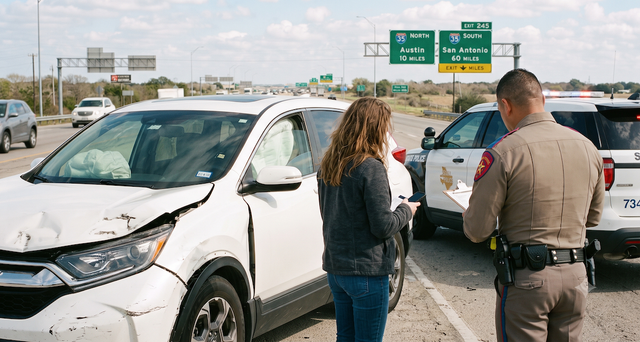
Understanding how a rideshare accident plays out in practice is where the coverage structure becomes most important.
If the accident occurs during Period 1:
The platform’s limited liability coverage applies to damages you cause to others. Your vehicle damage depends on whether your personal policy — including any rideshare endorsement — covers it. Without a rideshare endorsement, your personal insurer may deny a claim for your vehicle damage on commercial use grounds.
If the accident occurs during Periods 2 or 3:
The platform’s full commercial coverage applies. Their liability coverage — typically up to $1 million — covers damages to others. Their contingent collision and comprehensive coverage applies to your vehicle — subject to the platform’s deductible and the requirement that you carry collision and comprehensive on your personal policy.
If another driver causes the accident:
Uninsured and underinsured motorist coverage becomes relevant. Both Uber and Lyft provide UM/UIM coverage during Periods 2 and 3. During Period 1, the platform’s limited coverage may or may not include UM/UIM depending on your state and the platform’s specific policy terms — another reason the rideshare endorsement on your personal policy matters.
Reporting the accident:
When an accident occurs while driving for a rideshare platform, report it to both the platform and your personal insurer. The platform will initiate their claims process. Your personal insurer needs to know about the accident regardless of which coverage ultimately applies — failure to report can affect your future coverage.
The Deductible Gap
Even when the platform’s contingent coverage applies during an active ride, the deductible the platform charges — commonly $1,000 to $2,500 — is your responsibility.
This deductible applies to your vehicle damage claims during Periods 2 and 3. Some rideshare endorsements on personal policies offer deductible gap coverage that pays this amount if you’re in an accident during an active ride. If yours doesn’t, you need to have that deductible amount accessible from savings.
This deductible is also separate from any deductible on your personal policy. It’s the platform’s deductible — imposed by the platform’s coverage — not your personal insurer’s deductible.
What to Do If You’re a Rideshare Driver Right Now
Step 1: Read your current personal auto policy.
Look for commercial use exclusions or rideshare-specific exclusions. Most standard personal policies have language that limits or eliminates coverage during commercial use. Understanding exactly what your current policy says is the starting point.
Step 2: Contact your insurer.
Tell them you’re driving for a rideshare platform. Ask whether they offer a rideshare endorsement. Ask how your current policy handles coverage during different rideshare periods. Get the answers in writing if possible.
Step 3: Add a rideshare endorsement or switch to appropriate coverage.
If your current insurer offers a rideshare endorsement, add it. If they don’t, shop for a carrier that does. The cost is modest relative to the coverage gap it closes.
Step 4: Understand the platform’s deductible.
Know what deductible the platform charges for collision claims during active rides and confirm you have access to that amount. If your rideshare endorsement includes deductible gap coverage, confirm how it works.
Step 5: Document your insurance at all times.
Keep current proof of insurance in your vehicle. Rideshare platforms can request proof of insurance during inspections or after accidents. Gaps in documentation can affect your platform standing.
A Final Thought
Rideshare driving has made it easier than ever to earn income with a personal vehicle. The insurance structure that governs that activity is more complex than most drivers realize — and the gaps in coverage are exactly where financial harm concentrates when something goes wrong.
The good news is that the coverage gap is solvable. A rideshare endorsement on a personal policy — available from most major insurers for a modest monthly cost — closes the Period 1 gap that otherwise leaves drivers exposed. Understanding the platform’s coverage during Periods 2 and 3, and knowing what their deductible means for your vehicle damage, gives you the complete picture.
A few minutes of insurance review and a conversation with your insurer is the difference between driving with genuine protection and assuming you’re covered in ways you actually aren’t.
For educational purposes only. Rideshare insurance coverage, endorsement availability, and platform insurance terms vary by state, insurer, and platform. Consult a licensed insurance agent for guidance specific to your situation, and review your rideshare platform’s current insurance documentation for the most accurate information about their coverage terms.
Find out exactly what you're missing.
The free 4-minute checkup identifies your gaps and matches you with a local independent advisor.
Free Coverage Review →