Winter Storm Uri Changed Everything About Home Insurance in Texas — Here's What to Know
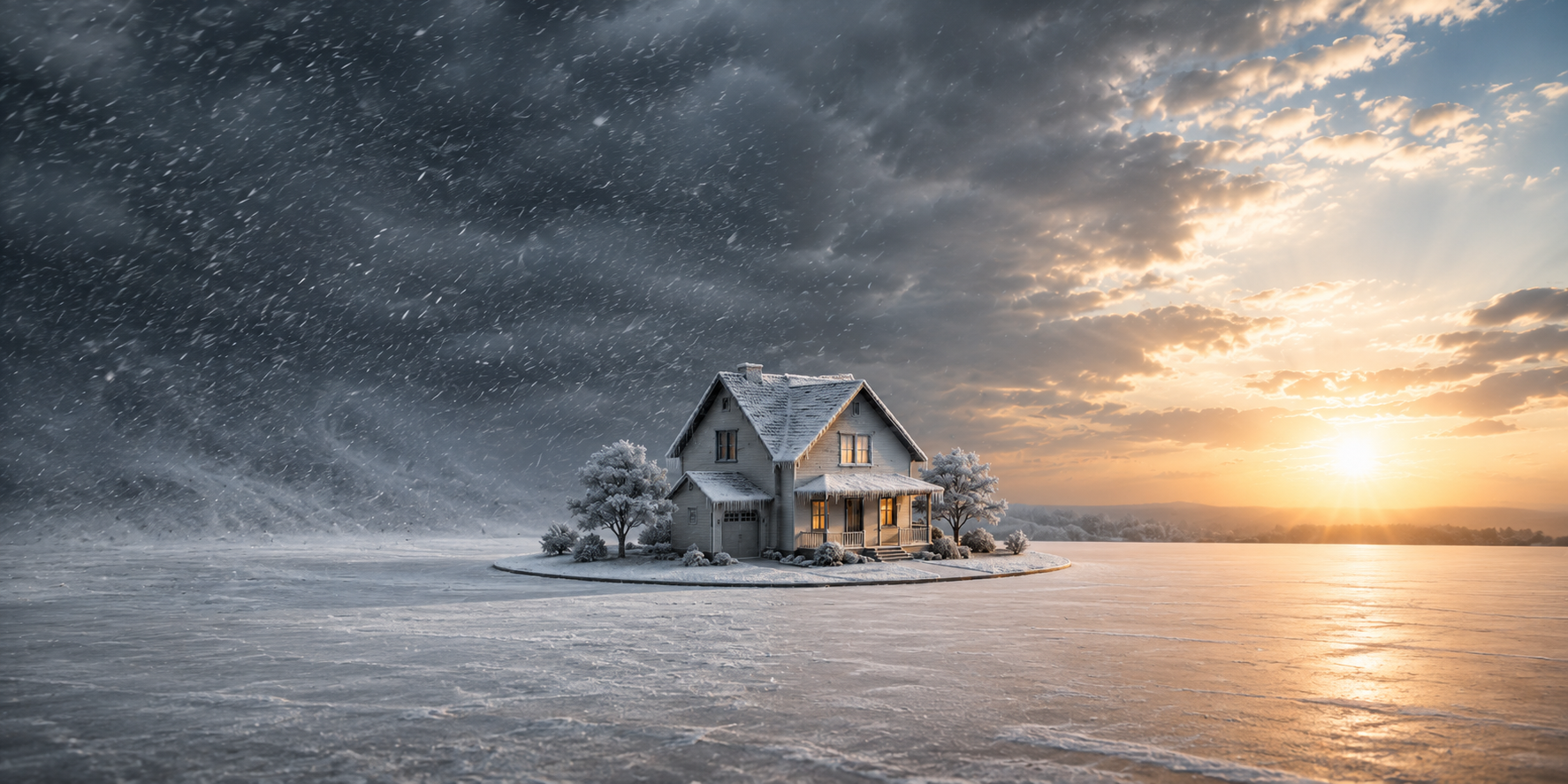
Winter Storm Uri hit Texas in February 2021 and produced one of the most widespread insurance events in the state's history. Burst pipes, flooded homes, structural failures, and extended displacement affected millions of Texas homeowners across every region of the state — including many who had never experienced serious winter weather damage before.
The insurance response to Uri revealed gaps, misunderstandings, and coverage limitations that many homeowners didn't know existed. Here's what that event taught Texas homeowners about their coverage — and what it means for future winter storms.
What Homeowners Insurance Covered After Uri
The most common Uri claims involved water damage from burst pipes — and most of those claims were covered under standard homeowners policies.
Water damage from a burst pipe is typically a covered peril under standard homeowners insurance as long as the damage resulted from a sudden and accidental discharge of water.
A pipe that burst because of the freeze — releasing water that damaged floors, walls, ceilings, and personal property — generally met the standard for coverage.
The operative word is sudden. Coverage applies to the damage from the release — not to the underlying condition that caused the pipe to burst, not to preventable situations where reasonable winterization measures weren't taken, and not to gradual leaks or seepage that preceded the storm.
What Wasn't Covered — and Where Homeowners Were Surprised
The pipe itself. Homeowners policies cover damage caused by a burst pipe — the water, the resulting structural damage, the affected flooring and drywall. They generally don't cover the cost to repair or replace the pipe itself, which is considered a maintenance item.
Damage from flooding due to overwhelmed infrastructure. In some cases, water entered homes not from interior pipe failures but from overwhelmed municipal systems — backed-up sewers, overflowing drainage systems, water that entered from outside the home.
Damage from water that originated outside and entered the home is typically a flood claim, not a standard homeowners claim. Many homeowners discovered this distinction for the first time after Uri.
Power outages and food spoilage.
Some homeowners lost significant amounts of food during extended power outages. Standard homeowners policies typically don't cover food spoilage from power outages unless the outage was caused by a covered peril affecting the home itself — and even then, coverage limits for food spoilage are usually modest.
Damage from lack of winterization. Some carriers disputed coverage for pipe damage when they determined the homeowner failed to take reasonable winterization steps — draining pipes, maintaining minimum heat, insulating exposed pipes. These disputes were resolved inconsistently and generated significant friction between homeowners and insurers.
What Uri Changed in the Texas Insurance Market
Uri had lasting effects on how Texas homeowners insurance is written and priced.
Underwriting changes. Some carriers began requiring information about home construction, pipe insulation, and winterization measures as part of underwriting.
Older homes with exposed pipes in uninsulated spaces became more difficult to insure at standard terms.
Premium increases. Uri was an unexpected and enormously expensive event for the Texas insurance market — generating an estimated $21 billion in insured losses. Those losses contributed to the premium increases that Texas homeowners have experienced in the years since.
Freeze exclusions in some policies. A small number of carriers began including more specific language around freeze damage conditions, winterization requirements, and exclusions for homes that don't maintain minimum heating during winter events. Reading your policy's specific language around water damage and freeze events matters more than it did before 2021.
What to Do Before the Next Winter Event
Know your water shut-off valve location. In a pipe burst situation, getting to the shut-off valve quickly limits the damage. Every homeowner in Texas should know where their main water shut-off is and confirm it's operable before winter.
Winterize exposed pipes. Pipes in uninsulated spaces — attics, garages, crawl spaces, exterior walls — are vulnerable to freezing in a sustained cold event. Insulating those pipes before winter is a property maintenance step that reduces risk and may affect how your carrier evaluates a future claim.
Know your policy's water damage language. Review your policy for the specific language around sudden and accidental water discharge, frozen systems, and any winterization requirements. If the language is unclear, ask your agent specifically: what do I need to do to ensure my freeze-related water damage is covered?
Consider service line coverage. Service line coverage is an endorsement that covers damage to the underground pipes connecting your home to municipal utilities — water, sewer, electrical. These lines are outside the home and not covered by standard homeowners policies. After Uri, some Texas homeowners discovered they had pipe damage that extended to service lines, with no coverage for it.
Understand your ALE coverage. Extended displacement from a winter storm — particularly in extreme events — can be prolonged. Knowing your additional living expenses limit and how to access it is important before you need it, not during the emergency.
A Final Thought
Winter Storm Uri was a once-in-a-generation event that Texas was structurally unprepared for — in its power grid, its infrastructure, and in many homes, its winterization. The insurance lessons from that event are worth internalizing now, when the next significant winter weather event is a future possibility rather than an immediate emergency.
For educational purposes only. Consult a licensed Texas insurance agent for guidance specific to your situation.
Find out exactly what you're missing.
The free 4-minute checkup identifies your gaps and matches you with a local independent advisor.
Free Coverage Review →