RV and Motorhome Insurance in Texas: What It Covers, What It Costs, and How to Get a Policy
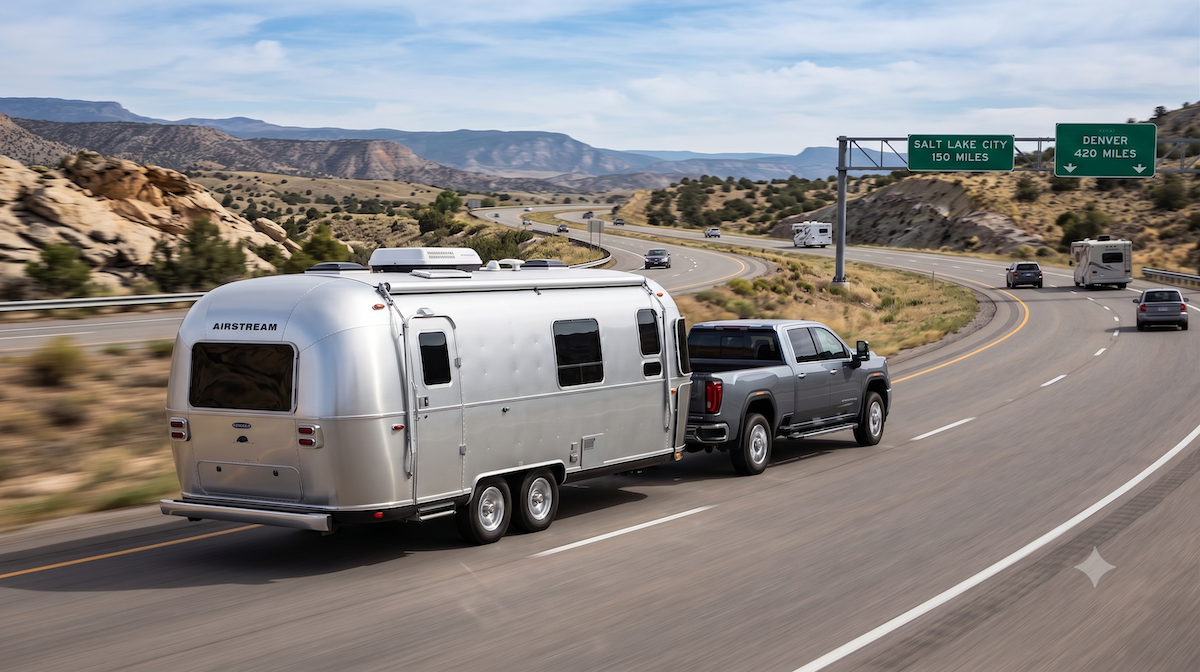
Texas consistently ranks among the top states in the country for RV ownership. The combination of wide open highways, diverse destinations from Big Bend to the Gulf Coast, a large retiree population, and a culture that embraces outdoor living makes Texas one of the most active RV markets in the country.
It also means that a significant number of Texas RV owners are either underinsured, insured under the wrong type of policy, or carrying coverage that won't do what they expect when something goes wrong on the road or at the campsite.
Here's a clear guide to how RV insurance works, what it costs, and where to get it.
Why Your Regular Auto Insurance Isn't Enough
This is the first and most important thing Texas RV owners need to understand.
A standard auto insurance policy is designed for passenger vehicles. It covers you while driving — liability, collision, comprehensive — and that coverage extends to other vehicles on a permissive use basis. What it doesn't do is provide the full range of protection that a recreational vehicle requires.
The gap becomes most visible in a few specific situations.
Personal belongings inside the RV. Your auto policy doesn't cover the clothing, electronics, kitchen equipment, outdoor gear, and personal property you store in your RV. Those items aren't covered under auto insurance. Your homeowners policy may provide limited off-premises personal property coverage, but it typically has a sublimit — often $1,000 to $1,500 — that covers a fraction of what most RV owners have inside their unit.
Full-timer coverage. If you live in your RV full-time or for extended periods, standard auto insurance provides no coverage for it as a residence. The liability exposure, the personal property inside, and the situations that arise from living in a vehicle rather than just driving it all require coverage that auto insurance doesn't provide.
Vacation liability. If someone is injured at your campsite — a visitor who trips over your awning, a child who gets hurt on your slideout steps — that's a liability event that occurs at what is effectively your temporary residence. Auto insurance doesn't cover that. Homeowners insurance doesn't either, since you're not at your insured home.
Emergency expenses. If your RV breaks down or is damaged far from home, coverage for emergency lodging, meals, and transportation while repairs are made is a common RV insurance benefit. Auto insurance doesn't include it.
Types of RVs and How Insurance Differs
Not all RVs are the same — and insurance products differ based on the type of vehicle.
Class A motorhomes. The largest motorhomes — bus-style or coach-style vehicles, typically 26 to 45 feet long. These are the most expensive RVs to purchase and the most expensive to insure. Prices range from $100,000 to well over $500,000 for luxury diesel pushers. Insurance reflects both the vehicle value and the complexity of insuring what is effectively a combination of a large vehicle and a residence.
Class B motorhomes (campervans). Converted vans — typically 17 to 24 feet — built on a van chassis. More maneuverable than Class A or C, easier to insure, and generally less expensive to insure given their smaller size and lower value relative to larger motorhomes.
Class C motorhomes. Built on a truck chassis with an overcab sleeping area. Mid-size motorhomes, typically 20 to 33 feet. Premium pricing falls between Class B and Class A.
Fifth wheels. Large towable RVs that hitch to a fifth-wheel hitch in the bed of a pickup truck. Not self-propelled — the tow vehicle is insured separately under auto insurance. The fifth wheel itself needs separate RV insurance.
Travel trailers. Towable units in a wide range of sizes, from small teardrop trailers to large 40-foot units. Like fifth wheels, the tow vehicle is insured separately. The trailer itself needs its own coverage.
Toy haulers. Travel trailers or fifth wheels with a garage area for ATVs, motorcycles, or other recreational vehicles. Coverage considerations include the vehicles stored inside.
Pop-up campers and tent trailers. Smaller, collapsible trailers. The least expensive to purchase and the least expensive to insure. Some homeowners policies provide limited coverage for smaller pop-up campers — worth verifying before assuming you need a separate policy.
What RV Insurance Covers
RV insurance policies combine elements of auto insurance and homeowners insurance into a product designed specifically for recreational vehicles.
Collision coverage. Pays for damage to your RV resulting from a collision with another vehicle or object. Given the size and value of most motorhomes and larger travel trailers, collision coverage is essential.
Comprehensive coverage. Pays for damage from non-collision events — hail, wind, fire, theft, flooding, falling objects, and animal strikes. Texas's hail exposure makes this particularly important for RV owners who store their units outside.
Liability coverage. Pays for bodily injury and property damage you cause to others while operating the motorhome. Liability limits for RV policies typically range from $100,000 to $500,000 or more. Given the size and weight of larger motorhomes — a Class A diesel pusher can weigh 30,000 to 40,000 pounds — a serious accident can produce catastrophic damages. Higher liability limits are worth carrying for larger units.
Uninsured and underinsured motorist coverage. Protects you when another driver causes an accident and has inadequate or no insurance. Texas's uninsured driver rate makes this particularly relevant.
Personal property coverage. Covers your belongings inside the RV — clothing, electronics, kitchen equipment, outdoor gear, tools, and other personal items. The coverage limit should reflect what you actually have inside the unit. Full-time RVers who carry everything they own need significantly higher personal property limits than weekend campers.
Vacation liability. Covers your personal liability at the campsite or wherever the RV is parked as a temporary residence. A visitor injured at your campsite, damage caused to another camper's unit at your site — vacation liability addresses these scenarios that auto and homeowners policies miss.
Emergency expense coverage. If your RV is disabled more than a certain distance from home, emergency expense coverage pays for lodging, meals, and transportation while repairs are made. This benefit is particularly valuable for full-time RVers or those who take extended trips far from home.
Roadside assistance and towing. Motorhome-specific towing is significantly more expensive than passenger vehicle towing. A large Class A motorhome requires specialized equipment to tow — costs of $300 to $1,000 or more for a single tow event are realistic. Towing coverage included in an RV policy or available as an add-on covers these costs.
Total loss replacement. Some RV policies offer total loss replacement coverage for newer units — paying to replace the RV with a new equivalent model rather than paying the depreciated actual cash value. Given how quickly RVs depreciate, this coverage can be meaningfully valuable in the first few years of ownership.
Full-timer coverage. For RVers who live in their unit full-time or for extended periods, full-timer endorsements or policies provide the additional coverage that a primary residence requires — higher personal property limits, broader liability coverage, and additional living expenses if the RV is uninhabitable. If your RV is your primary residence, confirm explicitly that your policy includes full-timer coverage or that you have a full-timer endorsement.
What RV Insurance Typically Doesn't Cover
Mechanical breakdown. Engine failure, transmission problems, and other mechanical issues aren't covered by insurance — they're maintenance items. An RV extended warranty or mechanical breakdown insurance is a separate product that addresses these risks.
Wear and tear. Normal deterioration from use and aging — roof seam cracking, sealant drying, caulk failures — isn't covered. These are maintenance issues.
Mold and water damage from lack of maintenance. Water intrusion through an unmaintained roof or improperly sealed windows that produces mold and structural damage may be excluded as a maintenance failure rather than a sudden and accidental event.
Vehicles stored inside a toy hauler. ATVs, motorcycles, and other recreational vehicles stored in the garage of a toy hauler need their own coverage — they're not automatically covered under the RV policy.
Business use. Using your RV for commercial purposes — renting it out on peer-to-peer platforms like RVshare or Outdoorsy, operating it as a mobile business — typically voids personal RV insurance coverage. Commercial use requires specialty coverage.
Renting Out Your RV: A Special Coverage Consideration
Peer-to-peer RV rental platforms have become popular in Texas — RVshare, Outdoorsy, and similar services allow owners to rent their units when not in use. This use creates a specific coverage gap that many owners don't know about.
Personal RV insurance excludes commercial use — renting your RV to others qualifies as commercial use. If a renter damages your unit or causes an accident while renting it, your personal RV policy may deny the claim.
Both RVshare and Outdoorsy offer their own insurance programs that cover the rental period. Understanding how those programs work, what they cover, and how they interact with your personal policy is essential before listing your RV on any rental platform.
What RV Insurance Costs in Texas
RV insurance premiums in Texas vary significantly based on the type, age, value, and use of the vehicle. Here are realistic ballpark ranges.
Pop-up campers and small travel trailers (under $15,000 value):
$150 to $400 per year ($12 to $33 per month). Basic coverage for smaller towed units.
Mid-size travel trailers and fifth wheels ($15,000 to $50,000 value):
$300 to $800 per year ($25 to $67 per month). Comprehensive and collision coverage with personal property and vacation liability.
Large travel trailers and fifth wheels ($50,000 to $100,000 value):
$600 to $1,500 per year ($50 to $125 per month). Higher coverage limits reflecting the vehicle value and contents.
Class B campervans ($80,000 to $150,000 value):
$1,000 to $2,000 per year ($83 to $167 per month). Motorhome-specific coverage including liability and emergency expense.
Class C motorhomes ($75,000 to $200,000 value):
$1,200 to $2,500 per year ($100 to $208 per month). Full motorhome coverage including higher liability limits.
Class A motorhomes ($150,000 to $500,000+ value):
$2,000 to $6,000 or more per year ($167 to $500+ per month). Comprehensive coverage for high-value units with full-timer options, higher liability limits, and specialized coverages.
Full-time RV living (any class):
Add 20% to 40% above standard rates for full-timer endorsements and higher coverage limits reflecting primary residence use.
Factors that reduce RV insurance premiums:
Completing an RV-specific safety course — many carriers offer 5% to 15% discounts. A clean driving record. Storing the RV in a secured facility when not in use. Bundling with other personal lines coverage. Being a member of an RV association — Good Sam, FMCA, and similar organizations sometimes offer group insurance rates.
Where to Buy RV Insurance in Texas
Specialty RV insurers. Several companies specialize specifically in recreational vehicle insurance and offer the most comprehensive coverage options for Texas RV owners.
Good Sam Insurance — affiliated with the Good Sam Club, one of the largest RV membership organizations. Offers specialized RV coverage including full-timer policies, emergency expense coverage, and total loss replacement. Available directly and through agents.
National General (formerly GMAC Insurance) — a major RV insurance provider with comprehensive coverage options including full-timer coverage and agreed value policies.
Progressive — one of the largest RV insurers in the country. Competitive pricing, broad coverage options, and available through agents and direct. Offers disappearing deductibles and total loss replacement for newer units.
Nationwide — writes RV insurance through their agent network. Offers specialized full-timer coverage for those living in their RV as a primary residence.
Foremost Insurance — a specialty insurer owned by Farmers that specifically focuses on recreational vehicles, manufactured homes, and specialty properties. Strong coverage options for larger and higher-value units.
Coach-Net — primarily a roadside assistance provider for RVs but also offers insurance products. Known for excellent roadside and emergency assistance coverage specifically designed for large motorhomes.
Independent agents with RV insurance appointments. Many Texas independent insurance agents have appointments with carriers that write RV coverage. For straightforward travel trailer or smaller motorhome coverage, an independent agent who also handles your home and auto coverage can often provide competitive options and the convenience of bundled policies.
Direct-to-consumer online platforms. Some RV insurers offer direct online quoting and purchase. Progressive and several specialty insurers allow full policy purchase online in 15 to 20 minutes.
RV dealerships. Many Texas RV dealerships have insurance referral relationships and can connect buyers with insurance providers at the point of purchase. These referrals are convenient but shouldn't replace independent comparison shopping.
RV membership organizations. Good Sam, FMCA (Family Motor Coach Association), and similar organizations negotiate group insurance rates for members. If you're already an RV club member, check whether group insurance benefits are available.
Things to Consider When Buying RV Insurance
Agreed value versus actual cash value. RVs depreciate — some faster than others. An agreed value policy establishes the vehicle's insured value at purchase and pays that amount in a total loss without depreciation. An actual cash value policy pays the depreciated market value, which can be significantly less than what you paid. For newer or higher-value units, agreed value coverage is generally preferable.
Storage location. How and where your RV is stored affects both your risk and your premium. An RV stored in an enclosed facility is better protected from hail and weather damage than one stored in an open lot. Some carriers offer premium reductions for secured storage. Texas's hail environment makes this a particularly relevant consideration.
Seasonality and lay-up discounts. If your RV is stored and not used during certain months, some carriers offer lay-up discounts — reduced premiums during the storage period. For Texas RVers who only use their unit during spring and fall, this can produce meaningful savings.
Tow vehicle coverage coordination. If you tow a travel trailer or fifth wheel, the tow vehicle is covered by your separate auto insurance. Make sure the two policies work together properly — specifically, that your auto policy's liability coverage extends appropriately while towing, and that your RV policy covers the trailer itself. Gaps between the two can produce coverage problems.
State-specific requirements. Texas doesn't require liability insurance for non-motorized RVs — travel trailers and fifth wheels. Motorhomes, as motor vehicles, must carry at least the Texas minimum auto liability limits. From a financial protection standpoint, the minimums are inadequate for vehicles of this size and value — but they define the legal floor.
Full-timer considerations. If you live in your RV full-time, your coverage needs are fundamentally different from a weekend camper. Full-timer policies typically include higher personal property limits, broader liability coverage, loss of use coverage if the unit is being repaired, and coverage considerations for mail and domicile. Several Texas RV owners have established legal domicile in Texas specifically — which affects both the legal and insurance aspects of full-time RV living.
A Final Thought
An RV represents a significant financial investment — and for many Texas owners, a significant piece of their lifestyle. A Class A motorhome, a well-equipped fifth wheel, or even a quality travel trailer represents tens of thousands to hundreds of thousands of dollars in value, plus the personal property inside.
The insurance that protects that investment is more nuanced than standard auto or homeowners coverage — and more important than many RV owners realize until something goes wrong at a campground in Big Bend or on a highway outside Amarillo.
Getting the right coverage takes one conversation with the right agent or insurer. The cost is modest relative to what's being protected. And the alternative — an uninsured or underinsured RV loss far from home — is one of the more avoidable financial surprises available to Texas RV enthusiasts.
For educational purposes only. RV insurance availability, terms, and pricing vary by vehicle type, insurer, and individual circumstances. Consult a licensed insurance agent with RV insurance experience for guidance specific to your situation.
Find out exactly what you're missing.
The free 4-minute checkup identifies your gaps and matches you with a local independent advisor.
Free Coverage Review →